
Dr. Emma E. Buchtel is Associate Professor and Associate Head (International Engagement) in the Department of Psychology at the Education University of Hong Kong. She received her PhD in cultural psychology (social/personality area; quantitative minor) from the University of British Columbia in 2009, and her B.A. in psychology and philosophy from Yale University in 1999. In between, she spent four years in Changsha and Beijing, teaching English at the high school and university levels and learning Mandarin Chinese. Working in Hong Kong since 2009, she has served as the IACCP's East Asia regional representative since 2020, and as the Chair of the 2022 IACCP online-mode conference. She also serves on the EC for AASP, organized the AASP's 2023 hybrid-mode conference, and serves on the SPSP International Committee. Her research focuses on Chinese cultures, philosophy, and morality, using mixed methods (e.g. psychophysiological measures, lay prototype approach) and open-science practices. She is interested in the pedagogy and research of cultivating enjoyment of diverse perspectives.

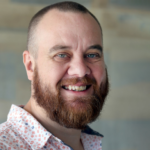
I am a Reader (Associate Professor) in Psychology at the University of Essex (UK). I have held visiting scholar positions at the Centre for Applied Cross-Cultural Research at Victoria University in Wellington and the Faculty of Psychology at Chulalongkorn University in Bangkok. I obtained my BSc and MSc in Psychology from Ghent University and my PhD in Social Psychology from the Université Catholique de Louvain at Louvain-la-Neuve. My research focuses on acculturation processes among migrants and sojourners, using survey, longitudinal, and experimental methods. I have examined acculturative stress and stress trajectories, cultural adaptation, acculturation gaps within families, and ecological influences on acculturation. More broadly, I have a strong interest in cross-cultural and social psychology. I have the pleasure of working with collaborators in Belgium, China, Germany, Japan, the Netherlands, New Zealand, Thailand, the UK, and the USA.
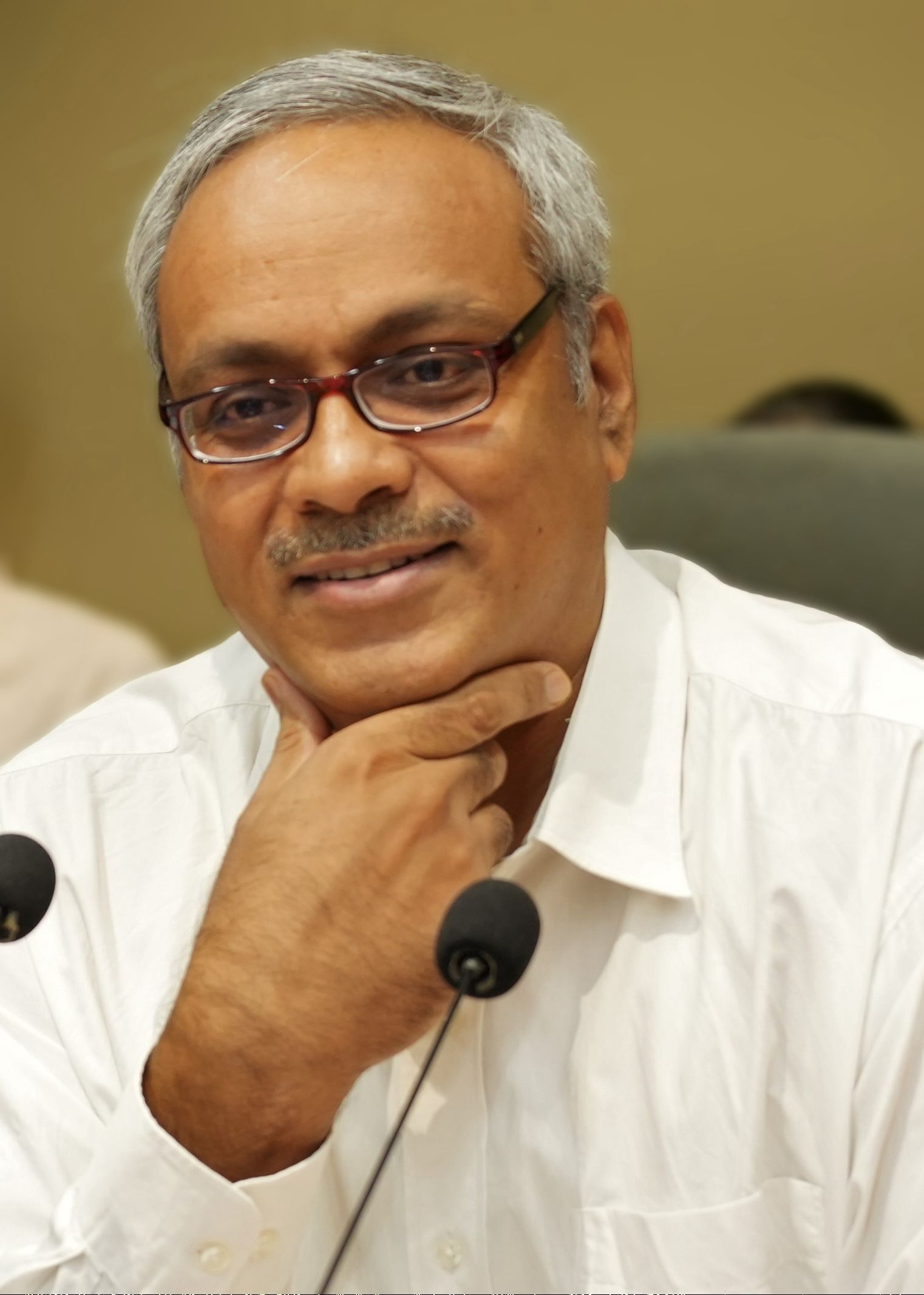
Dr. Kumar Ravi Priya is a professor of psychology at the Department of Humanities and Social Sciences at the Indian Institute of Technology Kanpur. He is a Fulbright-Nehru Academic and Professional Fellowship Awardee, 2017-18 for conducting his research at Connecticut College, New London, Connecticut, USA. For two decades, he has been engaging ethnographic and grounded theory research on post-disaster trauma, suffering and healing among the survivors of natural and human-made disasters in India. He has guided several doctoral students in the domain of critical mental health and qualitative methodology. He has been serving as an Associate Editor of the journal, Qualitative Health Research since 2022. He is also the chief editor of a book series titled, “Mental Health Experiences of Vulnerable Groups from Interdisciplinary Perspectives: Critical and Qualitative Approaches” being published from Routledge, UK in 2020-2026. His research papers are published in the international journals (from American Psychological Association, Sage, Springer, and Taylor & Francis) including, Qualitative Psychology, Social Change, Review of General Psychology, Internatinonal Journal of Social Psychiatry, Economic and Political Weekly, The Journal of Theoretical and Philosophical Psychology, Theory and Psychology, Culture, Medicine, and Psychiatry, Qualitative Health Research, Qualitative Research, Qualitative Research in Psychology, Psychology and Developing Societies, The Journal of Anthropological Survey of India, and Psychological Studies. He has several chapters in the edited volumes (from Oxford, Palgrave Macmillan, Sage, Springer, Wiley-Blackwell). He has co-edited a book titled, “Qualitative Research on Illness, Wellbeing and Self-Growth: Contemporary Indian Perspective” published in 2015 by Routledge (Taylor & Francis).
Fostering Justice-Based Healing in Global South: Toward a New Vision of Cross-Cultural Psychology.
It is heartening to observe that research in cross-cultural psychology has become more inclusive of justice-centered perspectives such as decolonial and critical theory paradigms besides fostering the traditional indigenous and positivist approaches. It is this inclusivity that aligns with my two decades of ethnographic research on cultural and justice-based healing process among the survivors of natural disasters and communal and political violence in India. The decolonial paradigm has a meaningful cross-cultural scope particularly in the Global South (erstwhile colonized nations located to the south of the colonizers) nations that have been adversely affected by the neoliberal economic policies that provide tax-waivers to the multi-national companies at the cost of reduction in the social service sector (health, mental health, education, elderly care etc.). Resultantly, the well-being and mental health of the minoritized groups (facing the brunt of social hierarchies of class, race, ethnicity, religion, gender etc.) are often constrained. How Global South as a set of nations may address these issues of well-being and mental health in the neoliberal era can be a major area of study of cultures and communities. Cross-cultural psychology may endorse and contribute to the ways justice-based healing may be fostered such settings in the neoliberal times.

Ayu Okvitawanli is an Assistant Professor at Universitas Sebelas Maret. She holds a PhD in Psychology from Friedrich-Schiller University Jena Germany, a Master of Science (Brain and Cognition) from Erasmus University of Rotterdam, The Netherlands, and a Bachelor of Cognitive Science from The University of Hong Kong and Auckland University, New Zealand. After her PhD, she was a postdoctoral researcher at University of Koblenz, Germany and worked at several universities in Indonesia: in Bali and in Malang. She currently holds a tenured position at Universitas Sebelas Maret, Surakarta. She conducted multidisciplinary research in the field of cognitive and social psychology. She loves travelling and is passionate about culture; she has visited more than 40 countries and lived for 15 years in 8 different countries. She is the South East Asia Representative for the International Association of Cross-Cultural Psychology, Co-Editor of the Proceedings of IACCP International Congress, Principal Investigator for World Value Survey Indonesia Wave 8th, and an Adjunct Senior Lecturer at Curtin University, Perth, Australia.
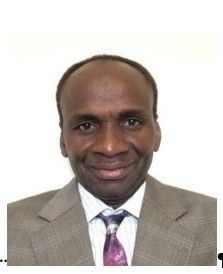
Dr. Yousif Abdelrahim is an internationally recognized scholar in organizational behavior, strategic management, educational leadership, and cross-cultural research at Prince Mohammad Bin Fahd University in Saudi Arabia. His interdisciplinary research examines how cultural values, tribalism, and informal institutions shape governance, organizational behavior, and social trust across societies. His work bridges management, sociology, and cross-cultural psychology, contributing to scholarly understanding of how culture influences institutional development and social behavior. Dr. Abdelrahim also serves in academic leadership roles focused on social responsibility, community engagement, and faculty development. Through his research and academic service, he promotes international scholarly collaboration and strengthens regional participation in global research networks, particularly by connecting researchers in the Middle East with the international academic community. Dr Abdelrahim’s research explores cultural values, tribalism, education leadership, sustainability, and management. with a focus on how fairness, inequality, and social cohesion shape organizational behavior and development. He is known for developing the first validated individual-level tribalism scale and for extending cross-cultural theory beyond Hofstede’s framework. He also authored *Tribalism and Corruption Book* (2021) and contributed to the development of Institutional Review Board and CSR frameworks supporting AACSB accreditation. Internationally recognized, he has served as a QS Reimagine Education Judge and the PMU HULT Prize mentor and representative. Finally, Dr Yousif, the winner of the Leadership and Advocacy Award, organized by the World Education Summit, Dubai, February 4-5, 2026. As Regional Representative, I aim to strengthen IACCP’s presence and scholarly collaboration across the region by fostering greater engagement among researchers, institutions, and early-career scholars in the MENA region. I hope to support initiatives that encourage interdisciplinary dialogue on cultural values, social norms, and institutional dynamics, particularly in underrepresented research contexts. A key priority will be increasing opportunities for regional scholars to connect with the global IACCP network through workshops, collaborative research initiatives, and academic exchange. By promoting inclusive participation and supporting emerging researchers, I seek to expand the global impact of cross-cultural psychology while highlighting the region’s unique cultural perspectives and research contributions.
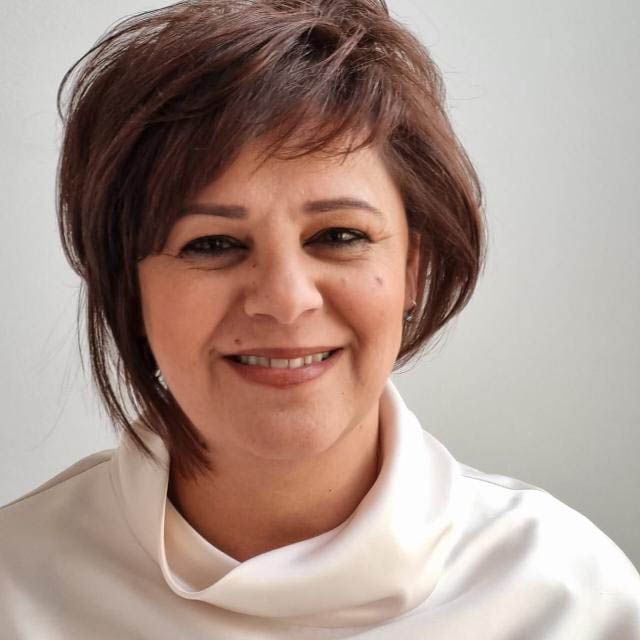
My interest in cultural psychology emerged from my experience as an educational counselor in Arab society in Israel. Working for over three decades with clients from a collectivist, patriarchal community, I came to understand the critical importance of cultural awareness in applying Western psychological theories across diverse contexts.A pivotal moment was my participation in the 22nd Congress of the IACCP in Reims, France (2014), where I presented research on Arab women challenging traditional norms, later published in the conference proceedings. I currently serve as Chair of the Master’s Program in Inclusive Education at Oranim Academic College of Education in Israel, where I also head the Graduate Program for Education of Students in Exclusion and Risk. In addition, I lecture in the psychotherapy program at the Adler Institute Israel, where my work integrates cultural perspectives with Adlerian clinical approaches. My research focuses on culture, gender, and mental health in Arab society. I have published in peer-reviewed journals including Current Psychology, Ethics & Behavior, and the Journal of Psychologists and Counsellors in Schools.
I have presented at international conferences including the European Congress of Psychology (Moscow), the International Association of Psychiatry, and Mind, Body and Society conferences across Jordan, Turkey, and Cyprus. I have also delivered workshops on culturally sensitive approaches for Arab mental health professionals in Jordan and Qatar.
Given my research background and international experience in the MENA region, and my work bridging cultures in Israel’s multicultural society, I am eager to contribute to IACCP by promoting researchers from underrepresented communities, strengthening connections with Arab mental health professionals, and encouraging integration of cultural awareness into training programs worldwide. I also seek to support early-career researchers from the MENA region in gaining visibility within the IACCP community, and to advocate for greater representation of non-Western epistemologies in cross-cultural research. I believe that a truly global association must actively include the voices and scholarly contributions of those working at the intersection of multiple cultural, political, and linguistic realities.
I am a long-time member of IACCP and remain committed to advancing its mission of promoting rigorous cross-cultural research and global collaboration. My experience includes serving as an Associate Editor for the Journal of Cross-Cultural Psychology, where I worked to support scholarly excellence and foster international dialogue. Currently, I serve on the International Committee of the Society for Personality and Social Psychology (SPSP), contributing to initiatives that promote international engagement and collaboration in psychological science. I will chair the Global Engagement Committee at SPSP next year. Drawing on this experience, I am eager to represent Canada within IACCP and help expand the society’s global impact.
If given the opportunity, I hope to contribute to the following:
● Foster collaborative research networks that bridge disciplines and regions, ensuring that cross-cultural psychology remains globally relevant and impactful.
● Increase visibility of Canadian contributions to cross-cultural psychology while strengthening ties between IACCP and other international organizations
I am committed to working collaboratively with colleagues to advance these goals and uphold the values of IACCP.

Dr. Ronda Lo is an Assistant Professor at Toronto Metropolitan University. Before arriving at Toronto Metropolitan University, she was a SPARQ Media Fellow (Postdoctoral Scholar) at Stanford SPARQ, in the Department of Psychology at Stanford University. She completed her doctoral training at York University, earning a PhD in Psychology (area: Social-Personality) and Quantitative Methods Diploma. As a cultural psychologist, Dr. Lo has a broad interest in people as "culturally-shaped shapers"; how are people shaped by their cultures, and how do people think about and shape the cultures around them? To this end, her program of research employs a wide variety of theoretical and methodological approaches across different disciplines (both within and outside of psychology; e.g., culture-gene coevolution) to test these two broad questions. Her current streams of research fall loosely under three different themes: (1) the extent to which culture and diversity shape social, cognitive, and biological mechanisms that underlie social interactions; (2) culturally minoritized individuals' experiences navigating cultural clashes in their everyday worlds (e.g., healthcare, education, workplace, criminal justice system); (3) the role of media in shaping and intervening on people's ideas and attitudes towards culture, race, and diversity.
Goals/expectations:
As a new Assistant Professor at Toronto Metropolitan University in my newly established laboratory, Culture | Diversity Lab, I am setting up my program of research focused on the causes and consequences of, and solutions for cultural clashes and hope to establish myself as a regional cultural psychology expert in the Greater Toronto Area, in Canada. My area of research focuses on the impact of culture at structural, interpersonal, and individual levels, across different areas of psychology (i.e., social, cognitive, biological), and part of my goals for training future cultural psychologists is to impart the importance of doing interdisciplinary cultural research. My expertise and knowledge has been informed by my cultural psychologist mentors (Hazel Markus, Joni Sasaki, Richard Lalonde) who all brought different domains of expertise to cultural psychology, from social identity and discrimination, and cogntion and gene-culture co-evolution, to the application of culture in social issues. I also hope to both bring a fresh perspective to IACCP as a Canadian representative and to advance the presence of IACCP as a central hub for research pertaining to culture and intercultural relations. I can do this through my active participation in other cultural psychology communities that I am a part of, such as Advances in Cultural Psychology Pre-Culture Conference at SPSP and the International and Cross-Cultural Psychology section at Canadian Psychological Association. I am also especially eager to set up opportunities for students to receive important guidance for conducting cultural psychological training as well as set up opportunities for students to network with other students around the world to spark opportunities for intercultural collaborations.
Vassilis Pavlopoulos is Professor of Cross-Cultural Social Psychology at the Department of Psychology, National and Kapodistrian University of Athens, Greece. He received his PhD under the supervision of the former IACCP President, Professor James Georgas, and has since developed an extensive academic career, teaching at four Greek universities and delivering invited lectures across several countries. He has a long-standing commitment to IACCP, having acted as Secretary General of the 18th International IACCP Congress in Spetses (2006). He currently serves as a Consulting Editor for the Journal of Cross-Cultural Psychology and previously served as an Associate Editor for Psychology: The Journal of the Hellenic Psychological Society. Since 2019, he has been the elected Director of the Laboratory of Applied Cross-Cultural and Social Psychology at NKUA. Furthermore, he is a member of the Board of the Hellenic Psychological Society and functions as an Academic Advisor to the Hellenic National Academic Recognition Information Center, while regularly reviewing for over 20 international peer-reviewed journals. His applied experience also includes serving as a member of the National Naturalization Committee, where he utilized cross-cultural psychology to inform social policy. His research and publications reflect a strong international orientation. He has participated as a Country Coordinator or national team member in 11 large-scale international consortia and as a Principal Investigator or Work-Package Leader in 15 national research projects focusing on migration and intergroup relations, funded by prestigious bodies such as the EU, UNICEF, and the HFRI. He has (co-)authored 144 publications, including peer-reviewed journal articles, book chapters, and three co-edited volumes. His work has achieved significant scientific impact, with a Google Scholar h-index of 32 (exceeding 4,200 citations) and a Scopus h-index of 26.
His main research interests lie at the intersection of culture and psychological processes, specifically focusing on acculturation and intercultural relations, resilience among immigrant and refugee youth, and ideologies of cultural diversity. He also conducts extensive research on perceived discrimination, norms of social justice, the cross-cultural study of values, and youth active citizenship.
He is a full member of the IACCP and three other international psychological associations. Within his national academic community, he is the elected Coordinator of the Cross-Cultural Psychology section (2019–present) and has previously served as Coordinator of the Social Psychology section (2007–2015) of the Hellenic Psychological Society.
My journey with IACCP began in the late 1990s as a PhD candidate, when I was involved in various activities such as conference organization and proceedings publication. This early exposure was a true inspiration that motivated me to become an active member, attending most international and regional conferences over the past 25 years. Having evolved both professionally and personally through the rich knowledge and lifelong collaborations established within the Association, I now feel it is time to further contribute to its development by serving as a Regional Representative for Europe.
Living and working in Greece, a region at the crossroads of cultures that has faced significant social and economic challenges, I have witnessed firsthand how salient culture is in understanding contemporary challenges such as the great economic recession, migratory movements, and even war. Beyond my academic work, my experience as a member of the National Naturalization Committee has allowed me to apply cross-cultural insights to public policy, bridging the gap between theory and the actual integration of newcomers. I believe that IACCP provides the ideal framework for researchers and professionals, particularly from Southern and South-Eastern Europe, to network, exchange ideas, and address complex social issues as both scientists and engaged citizens.
As a Regional Representative, my goal will be to:
● Strengthen networking: Foster closer collaboration between European scholars and the global IACCP community. Drawing from my extensive experience in supervising doctoral and graduate students, I am particularly committed to supporting early-career researchers and creating pathways for their professional development.
● Promote societal relevance: Encourage research that addresses pressing European issues, such as migration, integration, and social justice. My aim is to ensure our science remains ethically principled and socially impactful, influencing both the academic and the public sphere.
● Enhance visibility: Increase the engagement of national and European psychological societies with IACCP activities to broaden our membership base in underrepresented areas of Europe and highlight the importance of cultural context in psychological practice.
I believe that IACCP should be scientifically rigorous and socially relevant. It would be an honor to work with colleagues who share this vision and to serve our regional community in the pursuit of these goals
Dr. Adrian Stanciu is an Assistant Professor in the Faculty of Humanities, Education and Social Sciences (FHSE) at the University of Luxembourg. His research spans lifespan development, migration, ageing, digital technology, and social psychology, with a strong focus on understanding psychological processes within diverse cultural and societal contexts. A central strand of his work examines the experiences of ageing migrants, addressing how culture, identity, and social structures shape wellbeing across the life course.
Dr. Stanciu leads multidisciplinary research on digital tools for older adults, collaborating closely with institutes such as the Luxembourg Health Institute and with relevant stakeholder organizations. These collaborations reflect his commitment to bridging cross-cultural psychological theory with real-world impact and policy-relevant research.
Dr. Stanciu is deeply committed to international collaboration, mentoring early-career researchers, and fostering dialogue across disciplines and cultures. His vision for IACCP emphasizes strengthening global research networks, promoting interdisciplinary and culturally informed approaches, and enhancing the visibility and societal relevance of cross-cultural psychology. He is strongly aligned with IACCP’s values and is eager to contribute actively to the association’s mission and future development.
Statement
“What makes you happy in life?” The answer, it turns out, is specific to each of us, and we all can answer the question in a personally meaningful way given available resources. Myself a Romanian immigrant in Luxembourg (after having lived in the Netherlands, Germany, and Portugal), I seek a meaningful integration of my current and past selves on a daily basis. I work on identifying and developing inclusive strategies to contribute to sustainable societies in the age of rapid technological growth while an increasing number of international migrants grow old and settle in a foreign country. While we know that ageing and migration processes can aggravate existent risk factors, we lack data, theory, and a comprehensive overview of the specificrisk factors, limitations, and healthcare needs in the migrant population growing old in a host country. I will contribute to introducing the topic of digital technology and digital health into the arena of cross-cultural psychology. Whereas this technology has the potential to simplify our life, the risk of aggravated inequalities is indeed very high. The migrant population, and especially older individuals, are especially vulnerable due to systematic factors including lack of inclusive data and limited digital literacy. I believe that the increasing reliance on digital technology will create novel forms of societal exclusion and thus aggravate risks to poor health in migrants. I aim to create a forum for academic exchange and involvement of the general public through an ecosystem of outreach campaigns and data infrastructures. And I believe our cross-cultural community has the expertise, experts, and wisdom to do research with impact in today’s modern society.Dr. Adrian Stanciu is an Assistant Professor in the Faculty of Humanities, Education and Social Sciences (FHSE) at the University of Luxembourg. His research spans lifespan development, migration, ageing, digital technology, and social psychology, with a strong focus on understanding psychological processes within diverse cultural and societal contexts. A central strand of his work examines the experiences of ageing migrants, addressing how culture, identity, and social structures shape wellbeing across the life course.
Dr. Stanciu leads multidisciplinary research on digital tools for older adults, collaborating closely with institutes such as the Luxembourg Health Institute and with relevant stakeholder organizations. These collaborations reflect his commitment to bridging cross-cultural psychological theory with real-world impact and policy-relevant research.
Dr. Stanciu is deeply committed to international collaboration, mentoring early-career researchers, and fostering dialogue across disciplines and cultures. His vision for IACCP emphasizes strengthening global research networks, promoting interdisciplinary and culturally informed approaches, and enhancing the visibility and societal relevance of cross-cultural psychology. He is strongly aligned with IACCP’s values and is eager to contribute actively to the association’s mission and future development.
Statement
“What makes you happy in life?” The answer, it turns out, is specific to each of us, and we all can answer the question in a personally meaningful way given available resources. Myself a Romanian immigrant in Luxembourg (after having lived in the Netherlands, Germany, and Portugal), I seek a meaningful integration of my current and past selves on a daily basis. I work on identifying and developing inclusive strategies to contribute to sustainable societies in the age of rapid technological growth while an increasing number of international migrants grow old and settle in a foreign country. While we know that ageing and migration processes can aggravate existent risk factors, we lack data, theory, and a comprehensive overview of the specificrisk factors, limitations, and healthcare needs in the migrant population growing old in a host country. I will contribute to introducing the topic of digital technology and digital health into the arena of cross-cultural psychology. Whereas this technology has the potential to simplify our life, the risk of aggravated inequalities is indeed very high. The migrant population, and especially older individuals, are especially vulnerable due to systematic factors including lack of inclusive data and limited digital literacy. I believe that the increasing reliance on digital technology will create novel forms of societal exclusion and thus aggravate risks to poor health in migrants. I aim to create a forum for academic exchange and involvement of the general public through an ecosystem of outreach campaigns and data infrastructures. And I believe our cross-cultural community has the expertise, experts, and wisdom to do research with impact in today’s modern society.
I hold a Ph.D. in Management Sciences from Aix-Marseille Université, France, where I received the highest distinction, “Très Honorable avec les Félicitations du Jury à l’Unanimité” (Summa Cum Laude). I also hold a Ph.D. and an M.Sc. in Social, Work, and Organizational Psychology from the University of Brasília (UnB), Brazil. Currently, I am a professor in the Graduate Program in Behavioral Sciences at the University of Brasília, where I collaborate on research involving Organizational Psychology, Police Psychology, and Human Values Theory. Over the years, I have conducted and collaborated on several research projects in Cross-Cultural Psychology and related areas, with studies involving samples from Brazil, Portugal, France, and other countries. I have also maintained academic collaborations with institutions such as the University of Lisbon and Aix-Marseille Université.
My research interests include cross-cultural psychology, human values, emotion regulation, organizational and social psychology, and police psychology. My recent publications reflect this trajectory, addressing topics such as Brazilian informal practices, values and security attitudes, meaning in work and police retention, and emotion regulation across cultures. If elected as Regional Representative for South America, my main expectation is to help strengthen IACCP’s presence in the region by increasing the participation of South American researchers, encouraging greater integration among scholars from different countries, and fostering academic exchange through collaborative networks, meetings, and scientific forums. I would be especially committed to helping connect emerging and established researchers and to promoting cross-cultural research that reflects the diversity and relevance of South American contexts.
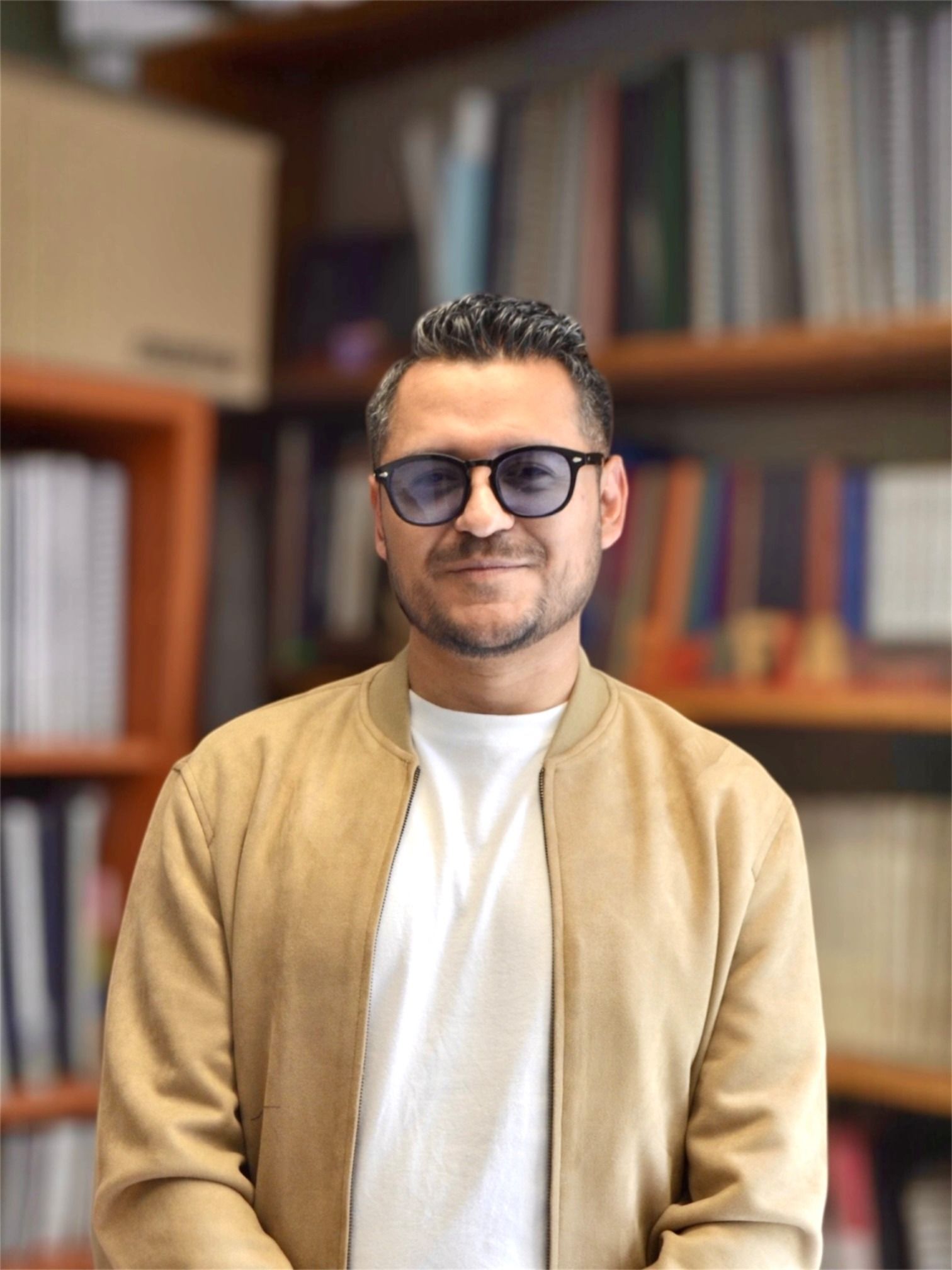
Dr. Francisco Leonardo Soler Anguiano is an Associate Professor at the Faculty of Psychology of the National Autonomous University of Mexico (UNAM). His work advances cross-cultural psychology by integrating cultural perspectives into the study of social norms, decision-making, and behavioral interventions in public health, while contributing to the articulation of emic and etic approaches to psychological constructs. He completed his doctoral training at UNAM and was a research visitor at Tilburg University in the Netherlands, developing a comparative perspective that connects European theoretical frameworks with Latin American cultural contexts. As a candidate for Regional Representative within the International Association for Cross-Cultural Psychology, his vision is to strengthen the active integration, visibility, and influence of Latin American scholarship in the global cross-cultural psychology community. He is committed to expanding inclusive research networks, promoting sustained cross-regional collaborations, and creating structured opportunities for early-career researchers through mentorship, training initiatives, and international exchange. His proposed contributions include fostering greater regional participation in IACCP congresses and initiatives, supporting the development of culturally grounded research agendas, and facilitating dialogue between regions to address shared psychological and societal challenges. Through these efforts, he seeks to contribute to a more connected, diverse, and globally representative IACCP, where multiple cultural perspectives actively shape the future of the field.
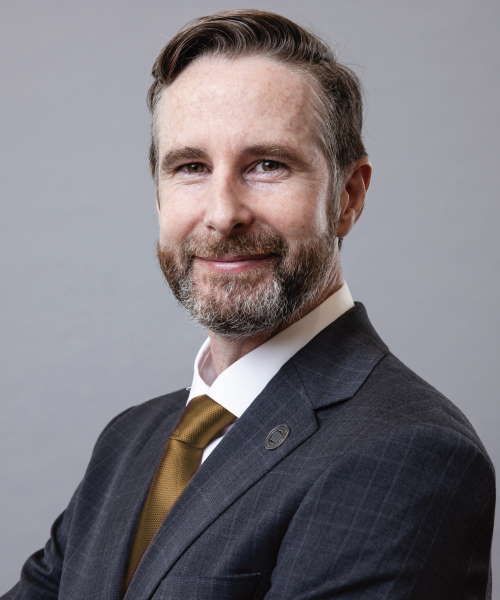
Dr Thomas Jack Huggins is a graduate of the Diploma in Exercise Science, the Bachelor of Arts in Psychology (first class honors), and the Doctor of Philosophy in Psychology programs offered by Massey University, New Zealand. He also holds a Graduate Certificate in Contemporary Policing from Victoria University, New Zealand. His studies towards these diverse qualifications have informed his contributions to psychological research, teaching and practice across a diverse range of cultural contexts. Dr Huggins’ 2002-2005 studies in contemporary policing coincided with his approach to developing a drug rehabilitation program based out of the Waitangirua Police Base, in Porirua, New Zealand. This program achieved a recidivism rate of less than 10% among the most difficult cases being faced in the Kapi-Mana area; a success that can be attributed to the profound integration of the Whare Tapa Wha model of indigenous health.
Following the Canterbury Earthquakes of 2010 and 2011, Dr Huggins deployed his knowledge of social and organizational psychology to coordinate the development of innovative disaster management research. This research focused on indigenous resilience, in partnership with the Kai Tahu tribe, of New Zealand. The project was consolidated into a major research program, with initial funding from the Ministry of Business, Innovation and Employment and recognized with a gold standard review within the first year. Initial results were central to an indigenous knowledge forum that formed part of the United Nation’s 2013 Global Platform for Disaster Risk Reduction.
In 2013, while completing his doctoral studies into strategic decision-making in complex scenarios, Dr Huggins travelled to support extended family members in Colima where he developed a non-for-profit organization dedicated to research and evaluation, Centro Machilia. His duties as the Centro Machilia’s founding Director of Operations included research funded by the Rockefeller Foundation, to develop three dimensional maps of risk and risk management in collaboration with the state capital´s most disadvantaged communities. Dr Huggins was subsequently invited to work as a researcher and teacher in the South of China, from 2019 to 2022, where he worked to adapt teaching methods and research to fit the needs and interests of Chinese students. His adaptation of traditional psychological teaching was recognized as part of his fellowship with the United Kingdom’s Higher Education Academy (Advance HE). Over the same period, Dr Huggins adapted prospect theory research to observe a pronounced loss aversion among Chinese undergraduate students, and led the development of an integrative model of data and information impacts on rapid decision-making, largely based on the doctoral thesis of his Sri Lankan co-author.
Since his 2022 appointment as the Dean of the School of Psychology, at the University of Monterrey in Mexico, Dr Huggins has been a vocal advocate for adapting psychological teaching, methods and research for a range of cultural contexts. He has also been strongly advocated for culturally diverse voices and perspectives that form an essential part of our discipline. In among editorial and other service roles, Dr Huggins represents the University of Monterrey on three different state-level councils and commissions focused on mental health. He is the co-principal investigator of a research program that has adapted international working climate instruments for gauging working climate factors across the entire public sector of Nuevo León, and represents the North-Eastern region of Mexico on the Executive Committee of the National Council for Psychological Teaching and Research (CNEIP).